Window Cleaning: How to Keep Glass Spotless, Bright, and Professional
Clean windows do more than improve the look of a home or business. They let in natural light, make interiors feel fresher, and create a polished first impression that people notice immediately. Whether you are caring for a family home, a storefront, or an office building, window cleaning is one of the simplest ways to improve appearance and maintain property value. It also supports a healthier indoor environment by reducing dust, pollen, grime, and buildup on glass and frames.
Many people think window cleaning is only about wiping glass with a cloth, but the reality is much more detailed. Streak-free results depend on the right tools, the right technique, and the right timing. Weather, water quality, frame material, and even the type of glass can affect the final result. If you want your windows to look their best, understanding the process matters.
This article explores the practical side of window cleaning, including tools, techniques, safety, maintenance schedules, and the benefits of professional care. It also explains why regular glass cleaning is not just a cosmetic task but an important part of building upkeep. If you are trying to make your property look brighter, cleaner, and more inviting, this is a great place to start.
Why Window Cleaning Matters for Homes and Businesses

One of the biggest reasons people invest in window cleaning is visual appeal. Dirty glass quickly makes a property look older and less cared for. Smudges, hard water stains, bird droppings, dust, and pollen can all distract from an otherwise attractive home or business. Clean windows, on the other hand, instantly improve curb appeal and help a building feel more welcoming.
Natural light is another major benefit. Windows covered in grime block sunlight and can make rooms feel dull or smaller than they really are. Freshly cleaned glass allows more daylight to enter, which can improve mood, reduce the need for artificial lighting, and make spaces appear more open. For offices and retail spaces, brighter interiors can even improve the customer experience.
Window cleaning also helps protect the glass over time. Dirt, salt, mineral deposits, and environmental buildup can wear down surfaces if left untreated. Frames, seals, and tracks can also collect debris that causes long-term issues. By staying on top of cleaning, property owners can preserve the condition of their windows and avoid unnecessary repairs.
Common Types of Window Cleaning Services

Not every property needs the same kind of care. Different buildings call for different window cleaning approaches, and understanding the options makes it easier to choose the right service. Residential properties often need interior and exterior glass cleaning, along with attention to screens, tracks, and sills. Commercial spaces may require frequent service because of higher traffic and more visible presentation standards.
Some providers offer specialized window cleaning for high-rise buildings, post-construction cleanup, storefronts, or multi-story homes. These services often involve advanced equipment, safety planning, and specific cleaning solutions for delicate or heavily soiled surfaces. In some cases, pure water systems are used to help reduce streaking and leave glass clearer for longer.
Another important option is seasonal maintenance. Many property owners schedule window cleaning in spring and fall to keep up with changing weather and outdoor debris. However, buildings near busy roads, coastal areas, or construction zones may need more frequent service because dirt accumulates faster in those environments.
Interior and Exterior Window Cleaning

Interior and exterior surfaces require different attention. Exterior glass usually deals with rain spots, dust, insects, and pollution, while interior glass is more likely to collect fingerprints, cooking residue, smoke film, and general dust. A proper window cleaning routine addresses both sides for a complete finish.
Interior cleaning often focuses on detail work. Frames, ledges, and corners need to be wiped carefully, especially in homes with pets, children, or heavy daily use. Exterior cleaning may require ladders, extension poles, or water-fed tools depending on the building height. When both sides are clean, the difference is noticeable right away.
It is also worth paying attention to the condition of window screens and tracks. Dirt trapped in these areas can quickly transfer back to the glass. That is why thorough window cleaning usually includes more than the pane itself. The surrounding components matter because they influence both appearance and function.
Tools That Make Window Cleaning Easier
The right tools can turn a frustrating job into a manageable one. Professional window cleaning often relies on squeegees, scrubbers, microfiber cloths, extension poles, buckets, and specialized cleaning solutions. Each tool serves a purpose, and using them correctly helps prevent streaks and residue.
Microfiber cloths are excellent for detailing edges and wiping away drips because they trap dust without leaving lint behind. Squeegees are essential for removing water evenly from glass, especially when used with the proper angle and pressure. For higher windows, telescoping poles can make the job safer and more efficient.
Many people also use distilled water when trying to achieve a spotless finish. Hard water can leave mineral marks that are difficult to remove, so water quality becomes especially important in areas with high mineral content. Choosing the right solution is a small detail that makes a big difference in window cleaning results.
How Weather and Environment Affect Window Cleaning

Weather plays a surprisingly large role in window cleaning. Sunny days may seem ideal, but direct sunlight can cause cleaning solution to dry too quickly and leave streaks before you can wipe it away. Mild, overcast conditions often produce better results because the glass stays workable for longer.
Rain can also affect your schedule, but it does not always mean windows will become dirty instantly. In many cases, rainwater itself is not the problem; the issue is the dirt already on the glass or in the surrounding environment. If windows are clean before the rain, they often stay presentable. However, if pollution, dust, or pollen is heavy, grime can return quickly after a storm.
Environmental conditions matter too. Homes near the ocean may face salt spray, while properties close to highways often collect more road film. Construction zones create another challenge because dust and debris can settle on glass and frames. In each of these situations, regular window cleaning helps maintain clarity and prevent buildup from becoming stubborn.
Frequency: How Often Should Windows Be Cleaned?
The ideal schedule depends on the property and its surroundings. For many homes, window cleaning every two to three months is enough to keep glass clear and presentable. Some homeowners prefer seasonal service, while others schedule additional visits before special events or during high-pollen months.
Commercial properties often require more frequent attention. Storefronts, restaurants, medical offices, and customer-facing businesses benefit from weekly, biweekly, or monthly cleaning depending on traffic and visibility. Clean glass can influence how professional a business appears, so consistency is important.
Instead of thinking of window cleaning as a one-time task, it helps to treat it as part of routine maintenance. The more regular the service, the easier it is to keep windows in good condition. That approach saves time, reduces effort, and helps prevent layers of buildup that are harder to remove later.
DIY Window Cleaning vs. Professional Service
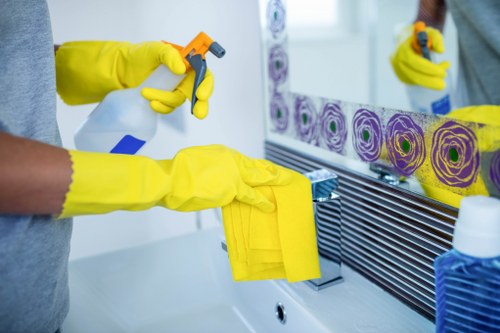
Many property owners start with DIY window cleaning because it seems simple and cost-effective. For small ground-level windows, that approach can work well if you have the right tools and enough time. A bucket, mild cleaning solution, squeegee, and lint-free cloth are often enough to produce a decent result on easy-to-reach glass.
However, DIY cleaning has limitations. Tall windows, awkward angles, hard-to-remove stains, and delicate frame materials can turn the job into a challenge. Without proper technique, it is easy to leave streaks, drips, or missed spots. Safety is another concern when ladders or upper-story windows are involved.
Professional window cleaning offers several advantages. Trained cleaners understand how to handle different glass types, deal with mineral deposits, and access difficult areas safely. They also work faster, which is especially valuable for larger homes or busy businesses. For many property owners, the time saved alone makes professional service worthwhile.
Signs You May Need Professional Help
It may be time to call in an expert if your windows have any of the following:
- Stubborn hard water stains or mineral spotting
- High or difficult-to-reach glass panels
- Heavy pollen, dust, or pollution buildup
- Visible streaks after DIY attempts
- Construction residue, paint specks, or adhesive marks
- Busy schedules that make routine care difficult
If any of these sound familiar, professional window cleaning can save time and improve the final appearance.
Safety Considerations During Window Cleaning
Safety should always come first, especially when working with ladders, poles, or slippery surfaces. One of the most important parts of window cleaning is making sure the area is stable and accessible before starting. Wet floors, uneven ground, and overhead obstacles can create hazards quickly.
For upper-story work, using the right equipment is essential. Extension tools, proper ladder placement, and stable footing all reduce the risk of accidents. It is also important not to lean too far or overreach, since that can lead to falls. People who are uncomfortable with heights should leave taller jobs to trained professionals.
Cleaning solutions should be used carefully as well. Some products can damage frames, screens, or surrounding surfaces if applied incorrectly. Reading labels, testing products on small areas, and protecting nearby furnishings all help keep the process safe. Good window cleaning is not just about results; it is also about avoiding preventable problems.
Practical Safety Tips
- Keep tools organized before starting.
- Use non-slip footwear when cleaning outdoors.
- Avoid cleaning windows in extreme heat or wind.
- Check ladder stability before climbing.
- Use gentle products that are safe for glass and frames.
Streak-Free Techniques for Better Results
Streaks are one of the most common frustrations in window cleaning. They often happen when too much solution is used, the wrong cloth is selected, or the glass dries unevenly. The good news is that a few simple technique changes can greatly improve the outcome.
Start by removing loose dust and debris before applying liquid. Then clean the pane with an even motion, working from top to bottom so dirt does not run onto already cleaned sections. A squeegee should be wiped after each pass to prevent dirty water from spreading back across the glass. Small finishing touches with a microfiber cloth can eliminate edge marks.
Another helpful trick is to clean in manageable sections. Trying to cover too much glass at once often leads to rushed work and uneven drying. A steady, careful process produces better window cleaning results and makes the whole task feel more controlled.
What Causes Streaks?
Several common issues can interfere with a clear finish:
- Using too much soap or detergent
- Cleaning in direct sunlight
- Dirty cloths or towels
- Hard water residue
- Failing to dry edges properly
By correcting these habits, you can improve the quality of your window cleaning right away.
Maintaining Frames, Screens, and Tracks
Glass is only one part of the picture. Frames, screens, and tracks also need attention because they collect dust, insects, and moisture. If these areas are ignored, even the best window cleaning work will not last as long. Dirt from tracks and screens can quickly transfer back onto the glass.
Frames should be wiped according to their material. Vinyl, aluminum, wood, and painted surfaces all have different care needs. Some materials are sensitive to strong chemicals, while others need moisture removed quickly to prevent damage. Screen cleaning is usually simpler but still important because clogged mesh can reduce airflow and visibility.
Tracks are especially easy to overlook, yet they often trap the most grime. A small brush or vacuum attachment can help clear out dust and debris before wiping the area clean. When the full window system is maintained, the entire opening looks and functions better. That is one of the biggest advantages of thoughtful window cleaning and upkeep.
Maintenance Checklist
- Wipe frames during each cleaning
- Remove loose dirt from tracks
- Wash screens when visibly dusty
- Inspect seals for wear or damage
- Dry surrounding surfaces after cleaning
Benefits of Regular Window Cleaning for Property Value
Regular window cleaning supports more than appearance. It can also help protect property value by keeping the exterior of a building in good condition. Buyers, tenants, and customers notice clean, well-maintained spaces. Windows are one of the first things people see, so clear glass helps set a positive tone.
For homeowners, clean windows improve the sense of pride in a property and can make a home feel more polished. For landlords and property managers, consistent window cleaning can reduce complaints, improve tenant satisfaction, and support better retention. For businesses, it can contribute to a strong brand image and a more professional atmosphere.
There is also a long-term maintenance benefit. Dirt, oxidation, and mineral deposits can become harder to remove if ignored for too long. Routine window cleaning helps prevent that buildup and may extend the life of the glass, frames, and seals. In that sense, cleaning is both a visual improvement and a practical investment.
How Clean Windows Support Energy and Comfort
Clean glass can contribute to a brighter, more comfortable interior. By allowing more sunlight to pass through, it can reduce dependence on artificial lighting during the day. That may create a more pleasant environment in both homes and workplaces. While window cleaning is not a substitute for proper insulation or energy upgrades, it still supports a more efficient and inviting space.
Sunlight also makes rooms feel more open and alive. This is especially helpful during darker seasons when people want to maximize available natural light. In offices, brighter spaces can feel more energizing. In homes, they can make everyday living areas feel fresher and more welcoming.
Choosing the Right Window Cleaning Approach
The best window cleaning approach depends on your goals, your schedule, and the condition of your property. If your windows are small, easy to reach, and only lightly dusty, DIY cleaning may be enough. If you are dealing with height, hard water, or stubborn buildup, a professional service may be the smarter choice.
It also helps to think about consistency. One strong cleaning effort is helpful, but regular upkeep is what keeps glass looking good over time. A predictable schedule reduces effort and makes each cleaning easier. Many property owners find that once they create a routine, maintaining clean windows becomes much less stressful.
Ultimately, window cleaning is about more than appearance. It improves light, supports maintenance, and creates a better overall impression of the property. Whether you manage a commercial space or care for a family home, staying proactive pays off in both the short and long term.
Final Thoughts
Clean windows can transform the way a space looks and feels. They brighten interiors, improve curb appeal, and help maintain the condition of your property. With the right tools, the right timing, and the right technique, window cleaning becomes a valuable part of routine maintenance rather than a frustrating chore. If you want cleaner glass, a more polished property, and a brighter atmosphere, now is the time to take action. Book your service now or contact us today to keep your windows looking their best.