Communal Area Cleaning: Keeping Shared Spaces Fresh, Safe, and Welcoming
Communal area cleaning plays a vital role in maintaining healthy, attractive, and well-functioning shared environments. Whether you manage an apartment block, office building, school, hotel, or mixed-use property, the condition of communal spaces strongly affects how people feel about the entire premises. From entrance halls and stairwells to elevators, lobbies, hallways, restrooms, and break rooms, these areas see daily traffic and accumulate dirt quickly. That is why communal area cleaning is more than a cosmetic service—it is a practical, preventive, and value-adding solution.
Well-maintained shared spaces create a positive first impression, reduce health risks, and help protect surfaces and fixtures from premature wear. In today’s world, cleanliness expectations are higher than ever, and property owners are increasingly aware that consistent communal area cleaning supports safety, hygiene, and tenant satisfaction. Clean communal environments also contribute to better indoor air quality, fewer complaints, and a more professional atmosphere overall.
From routine sweeping and mopping to high-touch disinfection and waste management, effective communal area cleaning requires structure, attention to detail, and the right products and methods. It is not simply about “looking clean”; it is about creating spaces that genuinely support the people who use them every day.
What Is Communal Area Cleaning?
Communal area cleaning refers to the regular cleaning, sanitizing, and upkeep of shared spaces used by multiple people. These areas can be found in residential, commercial, educational, healthcare, and hospitality settings. Unlike private rooms or individual offices, communal spaces receive constant foot traffic and are exposed to more dirt, spills, germs, and general wear.
The main goal of communal area cleaning is to keep shared environments hygienic, presentable, and safe for everyone. This includes removing visible dirt, managing waste, disinfecting frequently touched surfaces, and maintaining the overall condition of common areas. In many properties, the standard of communal area cleaning is a direct reflection of management quality.
Typical communal area cleaning tasks often include vacuuming carpets, polishing floors, emptying bins, wiping handrails, cleaning glass surfaces, sanitizing door handles, and keeping entrances tidy. Depending on the environment, the process may also involve more specialized jobs such as deep cleaning upholstery, removing cobwebs, or pressure washing exterior communal zones.
Why Communal Area Cleaning Matters
Clean shared spaces influence nearly every aspect of a building’s daily operation. Good communal area cleaning improves the way residents, employees, visitors, and customers experience the property. It also reduces the spread of contaminants and helps create an environment where people feel more comfortable and secure.
For residential buildings, communal area cleaning helps foster a sense of pride and community. Tenants are more likely to respect their surroundings when lobbies, staircases, lifts, and corridors are kept in excellent condition. In business settings, clean common areas help support productivity and reinforce a professional image for clients and staff.
There is also a practical financial benefit. Routine communal area cleaning can extend the lifespan of flooring, fixtures, furnishings, and fittings. Dirt and grime that are left to build up can cause lasting damage, making replacement or repair more expensive over time. Regular cleaning is therefore a smart investment rather than a simple expense.
Common Areas That Need Regular Attention
Residential Shared Spaces
In apartment blocks and housing complexes, communal area cleaning usually focuses on spaces that residents use every day. These can include entrances, reception areas, stairwells, lift interiors, mailroom spaces, bin storage areas, and shared laundries. Because these zones see continuous movement, they require frequent upkeep to remain hygienic and inviting.
Some residential properties also include shared gardens, patios, cycle storage areas, and parking entrances. These spaces may need litter picking, cobweb removal, sweeping, and periodic deep cleaning to maintain an orderly appearance. Effective communal area cleaning in residential buildings often supports tenant retention and reduces complaints to management.
Commercial Shared Spaces
In office buildings and commercial premises, communal area cleaning covers reception areas, conference room corridors, kitchenettes, washrooms, and breakout spaces. These locations experience heavy use during working hours and often require cleaning at scheduled intervals to avoid disruption. Keeping them spotless helps reinforce a professional environment.
Commercial cleaning standards can also affect client perception. A tidy reception or clean corridor signals attention to detail and operational competence. For this reason, many companies view communal area cleaning services as part of their brand presentation and workplace culture.
Key Elements of Effective Communal Area Cleaning
Successful communal area cleaning is built on consistency, planning, and the right cleaning methods. A strong cleaning routine should address visible dirt, hidden bacteria, and long-term maintenance concerns without causing inconvenience to occupants.
One of the most important elements is frequency. High-traffic zones such as entrances, lifts, and stair rails should be cleaned more often than low-traffic spaces. Another essential factor is using appropriate cleaning materials for each surface to avoid damage. For example, polished stone requires different care than vinyl or carpeted flooring.
Attention to detail is also critical. A floor may look clean at first glance, but dirty corners, dusty skirting boards, smudged glass, or sticky handrails can undermine the entire impression. This is why professional communal area cleaning usually includes both visible surface cleaning and less obvious but equally important finishing touches.
Typical Tasks Included
- Sweeping, vacuuming, and mopping floors
- Disinfecting high-touch surfaces such as buttons and handles
- Cleaning mirrors, windows, and glass partitions
- Emptying bins and replacing liners
- Dusting ledges, skirting boards, and vents
- Removing spills, stains, and spot marks
- Sanitizing shared washrooms and kitchens
- Maintaining entrances, foyers, and reception zones
Benefits of Professional Communal Area Cleaning
Hiring a trained team for communal area cleaning can make a noticeable difference to the appearance and functionality of any property. Professionals bring structure, efficiency, and specialized knowledge that help deliver consistent results.
First, professional cleaning improves hygiene. Shared environments are exposed to germs from shoes, hands, air circulation, and frequent contact with surfaces. A structured cleaning schedule helps reduce the spread of bacteria and viruses, particularly in high-touch areas. This is especially important in buildings with children, elderly residents, or large numbers of employees.
Second, professional communal area cleaning supports a better occupant experience. When common spaces are well-kept, people feel valued and respected. Clean surroundings can reduce stress, improve morale, and encourage responsible use of shared areas. In contrast, neglected communal spaces often lead to frustration and a decline in property satisfaction.
Third, expert cleaners can spot maintenance issues early. During regular cleaning, they may notice broken light fixtures, leaks, damaged flooring, pest signs, or blocked vents. Reporting these issues promptly helps prevent small problems from becoming major repairs. That makes communal area cleaning an important part of wider property management.
How Often Should Communal Areas Be Cleaned?
The ideal cleaning schedule depends on how frequently the area is used, the type of building, and the expectations of occupants. A busy office lobby may need daily cleaning, while a quieter apartment hallway might require several visits per week. In some settings, certain tasks should be completed multiple times a day.
High-touch and high-traffic areas generally need more frequent attention. Door handles, elevator buttons, handrails, and entrance mats often collect grime quickly and should be cleaned as part of a regular routine. Toilet and kitchen shared spaces may also require more intensive cleaning throughout the day.
A practical communal area cleaning schedule often includes daily, weekly, and monthly duties. Daily tasks might focus on floors, bins, and high-touch points. Weekly tasks may involve deep dusting, glass polishing, and detailed surface cleaning. Monthly or periodic work may include carpet shampooing, high-level dusting, and more extensive deep cleaning.
Suggested Frequency by Area
- Entrances and lobbies: daily or more often in busy buildings
- Stairwells and corridors: several times per week or daily
- Elevators: daily with extra attention to high-touch areas
- Shared kitchens: daily or after peak usage
- Shared washrooms: frequent checks and cleaning throughout the day
- Exterior communal areas: weekly or as needed
Communal Area Cleaning in Residential Buildings
Creating a Welcoming Environment for Residents
In residential properties, communal area cleaning is closely linked to tenant comfort and community wellbeing. Residents notice when hallways smell fresh, floors are clean, and shared entrances look cared for. These details contribute to a more pleasant living experience and help people feel proud of where they live.
Residential cleaning often includes removing litter, polishing surfaces, cleaning lift interiors, washing entrance glass, and ensuring staircases remain free from dust and debris. If a building has multiple floors, a consistent cleaning routine helps maintain uniform standards throughout the property.
Managing Hygiene in Shared Living Spaces
Shared living environments present specific hygiene challenges because many people use the same touchpoints. Communal area cleaning helps limit the spread of germs, especially in areas such as door entries, mailboxes, and bin rooms. Regular disinfecting is an important part of protecting residents and maintaining a healthier property.
Another important aspect is odor control. Waste areas, damp corners, and neglected carpets can create unpleasant smells that spread through the building. A well-organized communal area cleaning routine helps keep these issues under control and supports a fresher atmosphere overall.
Communal Area Cleaning in Offices and Business Premises
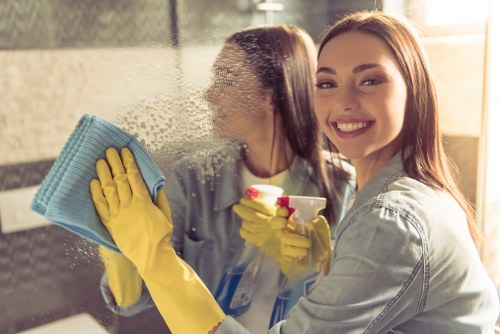
Office and commercial properties rely on communal area cleaning to support productivity and professionalism. Shared kitchens, reception areas, meeting room corridors, and washrooms all need regular care to remain functional and attractive. When these areas are clean, staff can focus better and visitors are more likely to trust the business environment.
In offices, cleanliness also plays a role in workplace wellbeing. Dusty surfaces, overflowing bins, and dirty shared appliances can create discomfort and reduce morale. A dependable communal area cleaning plan helps create a more positive and orderly place to work.
Commercial properties often benefit from flexible cleaning schedules that take business hours into account. Early morning, evening, or overnight cleaning may be ideal to avoid interruption. This makes it easier to maintain standards without affecting operations, which is one reason many businesses choose professional communal area cleaning providers.
Common Office Cleaning Priorities
- Reception and waiting areas
- Shared kitchens and break rooms
- Conference room entrances and corridors
- Lift buttons, railings, and door handles
- Washrooms and handwashing stations
- Bins, recycling points, and waste storage zones
Health, Safety, and Hygiene Considerations
One of the strongest reasons to invest in communal area cleaning is health and safety. Shared spaces can quickly become breeding grounds for germs if they are not regularly maintained. Cleaning and disinfecting surfaces helps lower contamination risks, while also supporting a more sanitary environment for everyone.
Slip hazards are another concern. Spills, rainwater near entrances, and debris in corridors can create dangerous conditions. Part of effective communal area cleaning is identifying and addressing these risks quickly. Clear floors, dry surfaces, and visible maintenance practices all contribute to safer shared spaces.
Proper waste management is equally important. Overflowing bins, unemptied recycling containers, and neglected refuse rooms can attract pests and create unpleasant conditions. Regular waste removal should always be built into a communal area cleaning schedule to keep the property clean and compliant.
Helpful Safety Practices
- Use wet-floor signs after mopping
- Choose non-slip, surface-appropriate cleaning methods
- Disinfect high-touch points regularly
- Store chemicals safely and label products clearly
- Maintain clear access to exits and walkways
Choosing the Right Communal Area Cleaning Approach
Not every building needs the same cleaning plan. The best communal area cleaning approach depends on usage levels, the number of occupants, floor types, hygiene requirements, and budget. Some properties need a simple routine service, while others benefit from detailed daily maintenance and periodic deep cleans.
Property managers should consider whether they need daytime cleaning, out-of-hours service, one-off deep cleaning, or a combination of all three. They should also assess whether the provider has experience with their type of building. For example, communal area cleaning in a residential tower may differ significantly from cleaning in a corporate office or healthcare facility.
A good cleaning plan should include clear expectations, checklists, and quality checks. This helps ensure that tasks are completed consistently and that nothing important is missed. Reliable communal area cleaning is not accidental; it is planned, monitored, and refined over time.
What to Look for in a Provider
- Experience with similar properties
- Trained and vetted cleaning staff
- Flexible scheduling options
- Transparent cleaning routines and reporting
- Use of suitable, safe cleaning products
- Ability to handle both routine and deep cleaning
Eco-Friendly Communal Area Cleaning
Sustainability is becoming increasingly important in property maintenance, and communal area cleaning is no exception. Many building owners now prefer environmentally responsible cleaning methods that reduce waste, conserve water, and use safer products. This approach supports both occupant wellbeing and broader environmental goals.
Eco-friendly communal area cleaning may include concentrated cleaning solutions, microfiber cloths, reusable mop systems, and reduced-use chemical products. These methods can still achieve excellent results when used correctly, while lowering the environmental impact of routine cleaning operations.
In addition, better waste segregation and recycling practices can support greener communal areas. Encouraging proper disposal and using clearly labeled recycling stations can reduce contamination and improve the efficiency of waste handling. Sustainable communal area cleaning is increasingly seen as both a practical and responsible choice.
Seasonal Challenges in Communal Area Cleaning
Different seasons create different cleaning demands. In winter, mud, water, salt, and debris are often tracked into entrances and corridors. In spring and summer, dust, pollen, insects, and increased ventilation can change the cleaning pattern. A responsive communal area cleaning schedule should adapt to these seasonal conditions.
During wetter months, entrance mats and floor protection become especially important. Cleaners may need to mop more frequently and pay closer attention to slipping hazards. In warmer periods, waste areas and shared kitchens may require extra attention to prevent odors and pest issues.
Planning for seasonal changes helps keep shared spaces consistently tidy throughout the year. This proactive approach shows that communal area cleaning is not just reactive maintenance—it is a strategic part of property care.
Seasonal Priorities
- Increase entrance cleaning during wet weather
- Monitor ventilation areas during dust-heavy seasons
- Schedule deep cleaning before holiday periods
- Focus on waste zones during warm months
- Check floor safety more frequently in winter
The Long-Term Value of Regular Communal Area Cleaning
Consistent communal area cleaning delivers long-term benefits that go beyond appearance. Over time, it helps preserve assets, reduce repair costs, improve safety, and strengthen the overall impression of a building. These benefits matter whether the property is residential, commercial, or mixed-use.
When shared spaces are neglected, dirt becomes embedded, odors become harder to remove, and wear becomes more visible. By contrast, a regular cleaning program keeps surfaces in better condition and helps prevent avoidable deterioration. This is one of the main reasons landlords, facilities teams, and property managers see communal area cleaning as essential.
It also supports occupancy satisfaction. In many cases, people judge a building by the condition of its communal areas before they even reach a private space. Clean entrances, polished floors, and fresh-smelling corridors send a strong message: the property is managed with care.
Communal area cleaning is not just a task—it is part of the identity of the building. If you want to maintain a healthier, more attractive, and more efficient environment, make cleaning a priority rather than an afterthought. Book your service now and create shared spaces people notice for the right reasons. Contact us today to keep your communal areas clean, safe, and inviting.