Domestic Cleaning in Your Home: Practical Tips, Services, and Smart Ways to Keep Every Room Fresh
Why Domestic Cleaning Matters for Modern Households
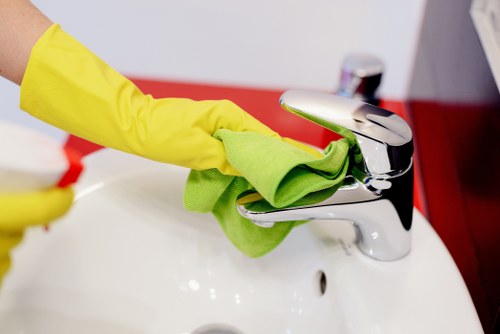
Domestic cleaning is more than a weekly routine; it is the foundation of a comfortable, healthy, and inviting home. Whether you live in a busy family household, a shared apartment, or a quiet single-occupancy property, regular domestic cleaning helps reduce dust, germs, clutter, and stress. A tidy living space can improve mood, support better indoor air quality, and make daily routines feel easier and more manageable.
Many people think domestic cleaning simply means sweeping floors and wiping counters, but effective home cleaning goes far beyond that. It involves a structured approach to dusting, sanitizing, organizing, and maintaining every key area of the property. When domestic cleaning is done consistently, it prevents buildup, protects surfaces, and keeps your home looking cared for all year round.
There is also a strong practical benefit to maintaining a cleaning routine. Small messes are much easier to handle before they become large problems. For example, a quick wipe of a kitchen splash zone can prevent stains, and regular bathroom cleaning can help stop limescale, soap scum, and mildew from becoming hard to remove. In other words, domestic cleaning is not only about appearance; it is also about preservation and peace of mind.
Understanding Domestic Cleaning and What It Includes

At its core, domestic cleaning refers to the cleaning and upkeep of homes and residential spaces. Unlike commercial cleaning, which often focuses on offices, retail units, or public premises, domestic cleaning services are tailored to the unique needs of households. That may include bedrooms, bathrooms, kitchens, living rooms, hallways, utility areas, and sometimes outdoor-related spaces such as porches or conservatories.
A standard domestic cleaning routine may involve dusting furniture, vacuuming carpets, mopping hard floors, cleaning mirrors, sanitizing touchpoints, and refreshing surfaces. A deeper domestic cleaning schedule can also include cleaning inside appliances, scrubbing grout, washing skirting boards, removing limescale, and tackling neglected corners. The right approach depends on your lifestyle, home size, and the level of upkeep you want to maintain.
It is also helpful to distinguish between regular cleaning and deep cleaning. Regular home cleaning focuses on keeping things neat and hygienic from week to week, while deep domestic cleaning targets areas that are often overlooked. If you are trying to improve cleanliness and reduce buildup, combining both methods can make a major difference. Domestic cleaning works best when it is planned, consistent, and adapted to real household needs.
Common domestic cleaning tasks
- Dusting shelves, furniture, skirting boards, and décor
- Vacuuming carpets, rugs, and upholstered seating
- Mopping and sanitizing hard floors
- Cleaning kitchen counters, sinks, and appliances
- Scrubbing toilets, baths, showers, and basins
- Emptying bins and refreshing high-touch areas
How Domestic Cleaning Supports Health and Hygiene
One of the biggest reasons people invest time and effort into domestic cleaning is hygiene. Homes naturally collect dust, skin cells, pet hair, food particles, and airborne debris. Bathrooms and kitchens can also develop bacteria and moisture-related issues if they are not cleaned properly. A thoughtful domestic cleaning routine helps control these risks and creates a safer living environment.
For households with children, older adults, or people with allergies, regular home cleaning can be especially important. Dust mites, pollen, mold spores, and pet dander can accumulate quickly, and these irritants often settle on soft furnishings, bedding, and flooring. Consistent domestic cleaning reduces allergens and can make breathing easier for sensitive individuals.
There is also a mental health benefit to a cleaner home. A fresh, organized environment can lower stress and support better concentration. Many people find that domestic cleaning creates a sense of control and calm, particularly during busy or unpredictable periods. A clean home is not about perfection; it is about creating a space that feels comfortable, practical, and welcoming.
Why hygiene-focused domestic cleaning matters
- Reduces bacteria on commonly touched surfaces
- Helps control allergens and dust buildup
- Minimizes unpleasant odors from bins, drains, and fabrics
- Supports healthier sleeping and living conditions
- Keeps kitchens and bathrooms more sanitary
Room-by-Room Domestic Cleaning Priorities
Every room in a house has different cleaning demands, so a good domestic cleaning plan should be room-specific. Kitchens need grease removal and sanitization. Bathrooms need moisture control and stain prevention. Bedrooms require dust management and fabric care. Living spaces need a balance of dusting, vacuuming, and organizing. When you break tasks down by room, domestic cleaning becomes more efficient and less overwhelming.
In kitchens, focus on surfaces that come into contact with food, such as counters, sinks, handles, and chopping areas. Wipe appliance exteriors and clean crumbs from hidden spaces near toasters, microwaves, and ovens. Bathrooms should be cleaned with products that target soap residue, limescale, and germs. Bedrooms benefit from regular bedding changes, mattress care, and dust removal from blinds, lamps, and under-bed spaces.
Living rooms and communal spaces often collect the most visible clutter, which is why they are a priority in many domestic cleaning routines. Vacuuming under sofas, cleaning around entertainment units, and dusting shelves can transform the feel of a space. When you approach each room with a clear plan, domestic cleaning becomes quicker, more effective, and easier to maintain over time.
Room-by-room checklist
- Kitchen: wipe counters, clean sink, disinfect handles, mop floor
- Bathroom: clean toilet, shower, basin, mirror, and floor
- Bedroom: dust surfaces, change bedding, vacuum floor
- Living room: dust décor, vacuum upholstery, tidy clutter
- Hallway: wipe touchpoints, sweep floors, organize shoes and coats
Domestic Cleaning Methods That Save Time and Improve Results
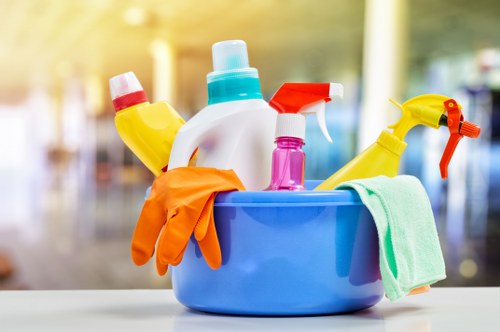
Efficient domestic cleaning is not just about working harder; it is about working smarter. A structured routine can reduce wasted effort and deliver better results in less time. Many homeowners and tenants find that grouping similar tasks together makes domestic cleaning feel more manageable. For example, dusting all rooms before vacuuming prevents dust from settling on freshly cleaned floors.
Using the right products and tools also improves efficiency. Microfiber cloths trap dust effectively, while suitable cleaning sprays help lift grease, marks, and germs. A quality vacuum cleaner, mop, and scrub brush can make routine domestic cleaning much easier. If your home includes delicate surfaces, always choose products that are safe for the material to avoid damage.
Another smart method is to clean from top to bottom and from dry to wet. Start with higher surfaces such as shelves, picture frames, and ceiling corners before moving to lower surfaces and floors. This prevents dirt from falling onto areas you have already cleaned. A methodical approach can turn domestic cleaning into a smooth process rather than a stressful chore.
Time-saving cleaning habits
- Keep a caddy of essentials in one place
- Do small tasks daily instead of waiting for buildup
- Use timers to stay focused on one area at a time
- Clean as you go in kitchens and busy family spaces
- Rotate deep domestic cleaning tasks on a weekly or monthly schedule
Domestic Cleaning for Different Lifestyles and Household Types
Domestic cleaning needs vary widely depending on how a home is used. A busy family home may need frequent kitchen and floor cleaning because of constant traffic, snacks, spills, and shared spaces. A pet-friendly household may need extra vacuuming, upholstery care, and odor control. A smaller apartment might require compact but consistent domestic cleaning to avoid clutter and maintain order.
For working professionals, the biggest challenge is often time. In that case, a realistic domestic cleaning plan with short daily tasks and larger weekend sessions can be highly effective. For older adults or people with mobility concerns, lighter routines and assistive tools such as long-handled dusters or lightweight vacuums can make home cleaning safer and more comfortable. The key is to match the cleaning system to the realities of the household.
Students and renters may also need a practical domestic cleaning approach, especially when sharing kitchens or bathrooms. Clear routines, shared responsibilities, and easy-to-follow standards can help keep communal areas clean and respectful. No matter the household type, domestic cleaning should be flexible, achievable, and sustainable rather than unrealistic or overly complicated.
Adapting your routine
- Busy families: focus on spill control and high-traffic zones
- Pet owners: increase vacuuming and fabric freshness
- Renters: prioritize shared area hygiene and move-out readiness
- Older adults: simplify tasks and reduce physical strain
- Remote workers: maintain a clean workspace for productivity
Deep Domestic Cleaning: When and Why It Is Needed
Even with regular upkeep, every home eventually needs a deeper clean. Deep domestic cleaning is designed to reach the areas that are not addressed in routine maintenance. This can include behind appliances, inside cupboards, around taps, along baseboards, and under furniture. Deep cleaning is particularly useful after seasonal changes, before special occasions, after illness, or when a property has been neglected for a while.
The value of deep domestic cleaning lies in prevention and reset. It helps remove hidden grime, restore freshness, and extend the life of household surfaces. For instance, removing grease from a cooker hood, descaling a shower head, or cleaning the edges of windows can noticeably improve both appearance and function. These tasks may not be needed every day, but they are essential for long-term home maintenance.
A thoughtful domestic cleaning schedule often includes a rotation of deep-clean tasks. Instead of trying to do everything at once, you can spread jobs across the month. This approach keeps your home in better condition without causing burnout. It also makes it easier to notice early signs of wear, leaks, or damage that may need attention.
Examples of deep-clean tasks
- Cleaning behind and beneath large appliances
- Washing walls, doors, and trim
- Scrubbing grout and tile lines
- Descaling taps, shower screens, and sinks
- Cleaning cupboard interiors and shelf edges
Eco-Friendly Domestic Cleaning Choices
Many households are now looking for greener ways to manage domestic cleaning without sacrificing results. Eco-friendly cleaning focuses on reducing harsh chemicals, limiting waste, and choosing products that are safer for people, pets, and the environment. This may include refillable sprays, concentrated formulas, biodegradable cloths, and simple ingredients such as vinegar or baking soda for certain tasks.
Sustainable domestic cleaning can be effective when used correctly. Reusable microfiber cloths can replace disposable wipes, and refill systems can help reduce plastic packaging. Choosing products with clear ingredient labels also supports better decision-making. While not every eco-friendly product is suitable for every surface, a thoughtful selection can make domestic cleaning cleaner in every sense of the word.
Another important part of green home cleaning is reducing water and electricity waste. Running appliances efficiently, washing full loads, and cleaning strategically can all help lower household impact. Domestic cleaning does not need to be wasteful to be effective, and small changes can add up over time.
Eco-friendly cleaning habits
- Use reusable cloths instead of paper products where possible
- Choose concentrated or refillable cleaners
- Store products safely to reduce waste and spills
- Ventilate rooms naturally when cleaning
- Use targeted cleaning instead of overusing chemicals
How Professional Domestic Cleaning Services Can Help
While many people prefer to handle household cleaning themselves, professional domestic cleaning services can be a valuable support option. They are especially helpful when time is limited, when a property needs a deep reset, or when specific areas require specialist attention. A professional approach to domestic cleaning can save hours each week and deliver a level of detail that is difficult to maintain alone.
One of the main advantages of professional domestic cleaning is consistency. Trained cleaners often follow systematic methods that cover high-priority areas without missing important details. They also bring experience with different surfaces, products, and cleaning challenges. For busy households, this can create a healthier and more manageable living environment.
Professional services may be particularly useful before events, after renovations, during tenancy changes, or when a home has accumulated heavy dust or grime. For many households, combining regular self-maintenance with occasional professional domestic cleaning is the ideal balance. It helps preserve the home while reducing personal workload. If your routine feels overwhelming, it may be the right time to book your service now.
When professional help makes sense
- You are short on time and need reliable support
- Your home needs a one-off deep clean
- You want help with hard-to-reach or time-consuming tasks
- You are preparing for a move, event, or property inspection
- You need a more consistent domestic cleaning standard
Building a Sustainable Domestic Cleaning Routine
The best domestic cleaning routine is one you can realistically maintain. Instead of aiming for perfection, focus on consistency, priorities, and simple habits. A sustainable plan might include daily tidying, weekly cleaning zones, and monthly deeper tasks. Over time, this method keeps the home presentable without allowing dirt and clutter to build up.
It is also useful to assign tasks based on household roles when possible. Shared responsibility reduces pressure on one person and creates a better sense of teamwork. Even small actions, such as wiping surfaces after use or putting items back in place, support the bigger domestic cleaning picture. The more regularly tasks are handled, the less time they take.
Remember that domestic cleaning is not just a chore list. It is part of home care, comfort, and daily quality of life. A house that feels clean and organized is easier to enjoy, easier to maintain, and often easier to live in. If you want to improve the look and feel of your space, start with a simple plan and build from there. Contact us today if you want to take the next step toward a cleaner home environment.
Final Thoughts on Domestic Cleaning in Everyday Life
Domestic cleaning plays a vital role in keeping homes healthier, more attractive, and more functional. From basic tidying to deep cleaning, every action contributes to a better living space. Whether you handle the work yourself or explore professional support, a strong domestic cleaning routine can make a noticeable difference in comfort and peace of mind.
As households become busier and homes serve more purposes than ever before, domestic cleaning remains one of the simplest ways to protect your investment in your property and improve daily life. With a practical plan, the right tools, and a focus on consistency, you can stay ahead of mess and enjoy a cleaner, fresher home all year round. If you are ready to improve your routine, book your service now and experience the benefits of a well-maintained space.